
Understanding thyroid function tests helps patients know what the tests are for and who they affect.
These tests are safe and reliable and provide valuable information about your thyroid health.
In this guide we cover when to test, how to interpret results, and what next steps might look like.
What Does the Thyroid Gland Do?
The thyroid regulates metabolism, heart rate, temperature, and more.
Understand the hormones
Learn what TSH, T3, and T4 do.
Know the normal ranges
Know what values are considered normal.
What Are Thyroid Function Tests?
Blood tests that assess how well your thyroid gland is working.
- TSH – thyroid‑stimulating hormone.
- Free T4 – the active thyroid hormone.
- T3 – another thyroid hormone.
When Is It Normal (with H3s)
1. Normal cause one
Mild variations are often harmless.
2. Normal cause two
Age‑related changes can shift ranges, see thyroid care treatment for more.
Most abnormal results are not emergencies.
Track trends over time with your doctor.
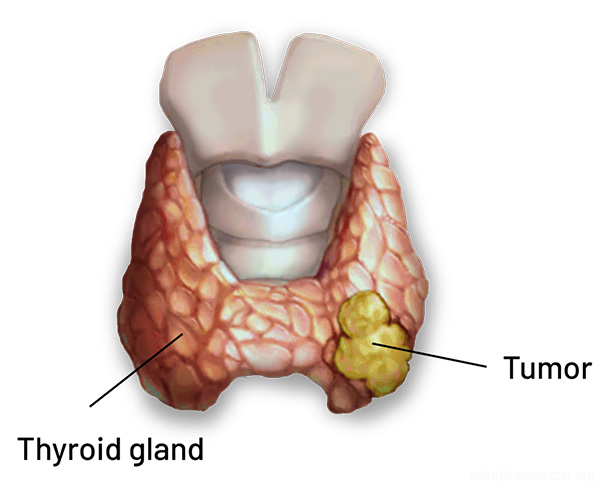
When Should You See a Doctor?
Most cases are benign, but persistent symptoms deserve attention.
Consider seeing a doctor if:
- Symptoms persist for more than a month.
- Lab values are markedly abnormal; see thyroid surgeon.
- You have a family history of thyroid disease.
Changes do not automatically mean cancer. You can book an appointment for a professional review.
The Bottom Line: Understanding Your Thyroid Function Tests
Interpret results with your doctor, considering symptoms and history.
Do not panic but do not ignore abnormal results; discuss them with a qualified professional.
Common Causes
- Autoimmune thyroiditis.
- Medication effects.
How Do Doctors Evaluate It?
Your doctor will review history, perform exam, and order imaging if needed.
Share your history
Bring symptom logs and medication list.
Clinical examination
Doctor assesses neck, heart, and overall health.
Imaging only if indicated
Ultrasound or other imaging may be ordered.
Self‑Care Tips (H3s)
For mild symptoms with no red flags, lifestyle changes can help.
Maintain a balanced diet
Adequate iodine and nutrients support thyroid health.
Bottom Line / What to Remember
Regular testing and doctor consultation keep thyroid issues in check.
Final Thoughts
Stay informed, follow your doctor's advice, and monitor any changes over time.