Breast pain, medically known as mastalgia, is a common concern among women. It may feel like tenderness, heaviness, aching, burning, or even a sharp or stabbing sensation. Breast pain can affect one or both breasts and may occur occasionally, follow a monthly pattern, or continue for a longer period.
The reassuring news is that breast pain by itself is usually not a sign of breast cancer. Hormonal changes associated with the menstrual cycle are one of the most common causes, while pregnancy, breastfeeding, breast infections, certain medicines, injuries, and problems affecting the muscles around the chest can also cause breast discomfort.
This health awareness guide explains what breast pain feels like, when breast pain is normal, common causes of mastalgia, warning signs to watch for, how doctors evaluate breast pain, and what you can do to manage mild discomfort.
What Is Breast Pain or Mastalgia?
Mastalgia is the medical term for breast pain or discomfort. The pain may affect the entire breast or be concentrated in one particular area. It can also sometimes be felt toward the armpit or chest wall.
Breast pain can be broadly described in two patterns:
Cyclic breast pain
Pain that follows the menstrual cycle and is associated with hormonal fluctuations. It commonly becomes more noticeable before a period and improves when menstruation begins — often with fullness, swelling or heaviness in both breasts.
Non-cyclic breast pain
Pain that does not follow a predictable menstrual pattern and may have other causes — such as injury, infection, medication or muscle strain. Persistent pain in one specific area falls in this group and deserves attention.
What Does Breast Pain Feel Like?
Breast pain can feel different from person to person. Some women describe it as:
- Tenderness or sensitivity.
- A dull, aching sensation.
- Heaviness or fullness.
- Burning or throbbing.
- Tightness.
- Sharp or stabbing pain.
The location, duration, severity, and pattern of breast pain can provide useful information to a healthcare professional. For example, pain affecting both breasts around the same time every month may be associated with hormonal changes, while persistent pain affecting one specific area may require further evaluation.
When Is Breast Pain Normal?
1. Hormonal Changes During the Menstrual Cycle
Hormonal fluctuations during the menstrual cycle are one of the most common reasons for breast tenderness. Cyclic breast pain may begin in the days or weeks before menstruation. The breasts may feel swollen, heavy, full, or tender, and the discomfort generally improves when the period begins or ends. This type of breast pain is particularly common in people who menstruate and does not usually indicate a serious breast condition.
2. Pregnancy
Breast tenderness can occur during pregnancy as hormone levels change and the breasts prepare for milk production. Some women notice increased breast sensitivity or soreness early in pregnancy. If breast pain is accompanied by a missed period or other possible pregnancy symptoms, discussing the symptoms with a healthcare professional may be appropriate.
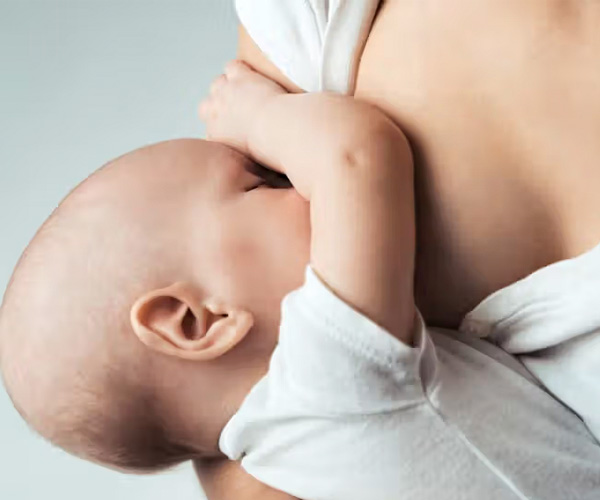
3. Breastfeeding
Breastfeeding can sometimes cause temporary breast pain or tenderness. Milk fullness, nipple irritation, blocked milk ducts, and conditions such as mastitis, a breast infection, can contribute to breast discomfort. Mastitis may also cause redness, warmth, swelling, and fever and should be medically assessed when significant symptoms occur — see benign breast disease treatment for context.
4. Puberty and Breast Development
Breast tenderness can occur during puberty as breast tissue develops and hormone levels change. Temporary soreness during breast development is generally not unusual. However, persistent, severe, or unusual symptoms should still be discussed with a healthcare professional.
5. Exercise and Muscle Strain
Not all pain felt in the breast area actually originates from breast tissue. Strain involving the chest muscles, shoulders, back, or surrounding structures can sometimes feel like breast pain. Physical activity, injury, or changes in exercise intensity may contribute to this type of discomfort.
Many everyday causes of breast pain — hormonal shifts, pregnancy, breastfeeding and muscle strain — are benign and temporary. The key distinction is the pattern: pain that comes and goes with your cycle is reassuring, while pain that is new, persistent, one-sided or accompanied by other breast changes should be reviewed.
Keeping a simple symptom diary for one or two cycles often makes that pattern clear — and gives your doctor genuinely useful information.
When Should You See a Doctor for Breast Pain?
Although most breast pain is not caused by cancer, persistent or unusual breast symptoms deserve medical attention — particularly when pain occurs with a new lump, nipple discharge, skin changes, redness, swelling, or changes in the shape of the breast or nipple.
Consider seeing a doctor if:
- Breast pain does not improve or keeps returning.
- Pain continues for several weeks.
- Pain is consistently limited to one specific area.
- The pain is becoming worse over time.
- You notice a new lump or swelling in the breast or armpit — learn more about breast lump symptoms and evaluation.
- You notice unusual nipple discharge, particularly bloody discharge.
- The nipple changes shape or turns inward.
- The skin becomes dimpled, puckered, swollen, or develops unusual changes.
- The breast becomes red, hot, or swollen.
- Breast pain occurs together with fever or feeling unwell.
A new breast change does not automatically mean breast cancer. Many breast changes have benign causes. However, it is important to have unusual or persistent changes assessed rather than trying to diagnose the cause yourself. If you are in Thane, consult a breast cancer surgeon in Thane or book an appointment.
Is Breast Pain a Sign of Breast Cancer?
This is one of the most common concerns surrounding mastalgia. Breast pain alone is usually unlikely to be a sign of breast cancer. Hormonal changes, cysts, pregnancy, breastfeeding, medications, injuries, and other benign conditions can cause breast pain.
However, breast cancer can present with other changes, including a new breast or underarm lump, changes in breast size or shape, nipple changes, unusual nipple discharge, skin dimpling or puckering, and redness or swelling.
The important point is not to panic because of breast pain — but also not to ignore a new or persistent breast change. If you notice something that is unusual for you, speak with a qualified healthcare professional even if you recently had a normal breast screening test — see when screening should start and which tests matter.
Common Causes of Breast Pain
Breast pain can have many possible causes. Some of the common causes include:
- Hormonal changes during the menstrual cycle.
- Pregnancy and breastfeeding.
- Mastitis or other breast infections.
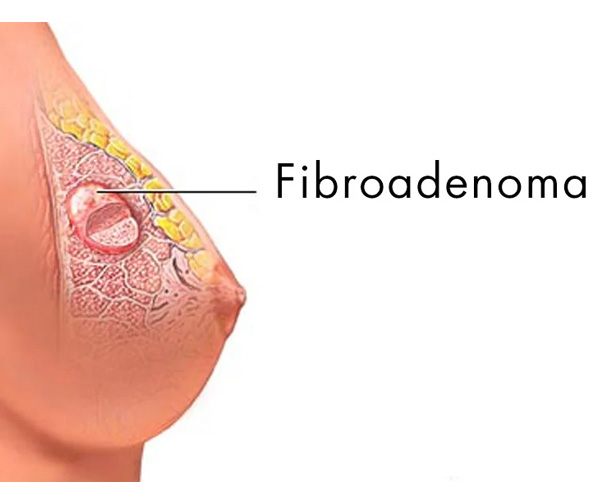
- Breast cysts — see benign breast conditions.
- Breast or chest injury.
- Muscle strain involving the chest, shoulder, neck, or back.
- Poorly fitting or insufficiently supportive bras.
- Certain medicines, including some hormonal medicines.
- Hormonal changes around menopause.
Certain medications, including some contraceptive pills, hormone therapies, and some antidepressants, can also be associated with breast pain. Because there are many possible causes, the pattern and associated symptoms are important when determining whether further assessment is needed.
How Do Doctors Evaluate Breast Pain?
When you consult a doctor for breast pain, they may ask about when the pain started, whether it follows your menstrual cycle, whether one or both breasts are affected, the exact location, whether it is getting worse, any history of breast injury, pregnancy or breastfeeding, medicines or hormonal treatments, any family history of breast or ovarian cancer, and other breast symptoms such as lumps or nipple discharge.
Share your history
Timing, location, severity and pattern of the pain — plus menstrual history, medicines, injury, pregnancy or breastfeeding status and family history.
Clinical breast examination
A physical examination of the breasts and armpits to check for lumps, discharge, skin changes or tenderness patterns.
Imaging only if indicated
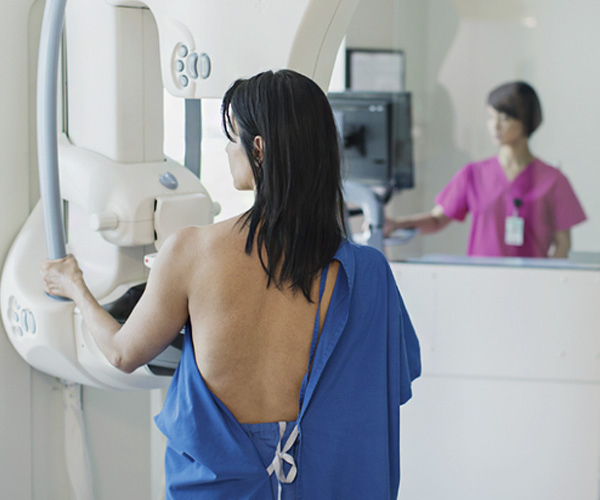
Depending on age, symptoms and examination findings, your doctor may recommend a breast ultrasound or diagnostic mammogram. These are not automatic for everyone — the evaluation depends on your individual situation.
Simple Self-Care Tips for Mild Breast Pain
If your breast pain is mild and there are no concerning symptoms, some simple measures may help reduce discomfort.
Wear a Well-Fitted Supportive Bra
A properly fitted, supportive bra may help reduce breast movement and discomfort, particularly during physical activity.
Try a Cold or Warm Compress
Some people find that applying a cold or warm compress provides temporary relief from breast tenderness.
Track Your Symptoms
Keeping a simple record of when the pain occurs, where it occurs, how severe it feels, and where you are in your menstrual cycle can help identify whether the pain follows a pattern.
Review Possible Triggers
If you notice that symptoms repeatedly occur after a particular activity, medication, or hormonal change, mention this pattern to your healthcare professional. Some people also report improvement after reducing caffeine, although evidence regarding caffeine and breast pain is not consistent.
Pain-Relief Medicines
Over-the-counter pain medicines may help some people, but they are not suitable for everyone. Speak with a healthcare professional or pharmacist about which medicine is appropriate for you, especially if you have other medical conditions, take regular medicines, are pregnant, or are breastfeeding.
What About Vitamin E and Omega-6 Supplements?
Vitamin E tablets and supplements containing omega-6 fatty acids, such as evening primrose oil, are sometimes promoted for breast pain. However, there is not strong scientific evidence that these supplements reliably treat mastalgia. The NHS specifically notes that there is little evidence that vitamin E or evening primrose oil helps breast pain.
It is therefore better not to rely on supplements as a substitute for medical evaluation when breast pain is persistent or accompanied by other concerning symptoms.
Breast Pain: What Should You Remember?
Breast pain is common, and in many cases it is related to normal hormonal changes or other non-cancerous causes. Cyclic breast pain before a period, breast tenderness during pregnancy, breastfeeding-related discomfort, and muscle strain are examples of situations where breast pain can occur without indicating cancer. At the same time, persistent breast pain or pain associated with other breast changes should be evaluated by a healthcare professional.
Pay particular attention to a new lump, unusual nipple discharge, skin dimpling or puckering, nipple inversion, redness, swelling, warmth, or changes in breast size or shape. The goal is not to become alarmed by every episode of breast pain. Instead, it is to understand what is normal for your body and recognize when a change deserves professional attention.
Final Thoughts
Breast pain, or mastalgia, is common and is often linked to hormonal fluctuations, pregnancy, breastfeeding, muscle strain, or other benign causes. Breast pain alone is usually not a sign of breast cancer. However, breast pain that persists, becomes worse, remains localized to one area, or occurs alongside a lump, nipple discharge, skin changes, redness, swelling, or nipple changes should not be ignored.
If you are concerned about a new or unusual breast symptom, consult a qualified healthcare professional for an appropriate examination and advice. Early evaluation can help identify the cause and provide reassurance or treatment when needed.