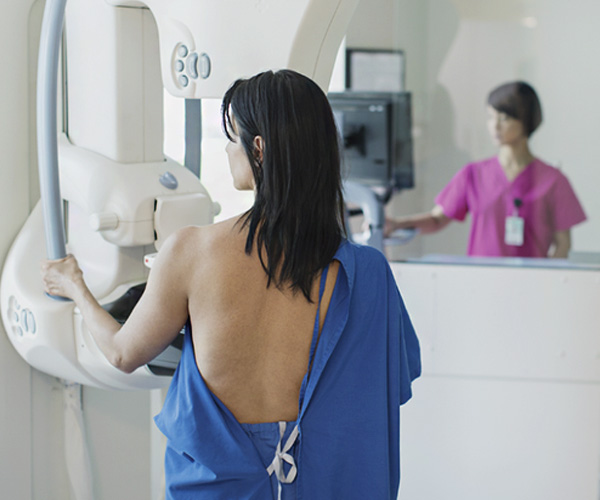
Will I lose my breast if I have breast cancer? This is often one of the first questions a woman asks after hearing the diagnosis, as the possibility of losing a breast can feel overwhelming.
It is important to know that not every woman diagnosed with breast cancer needs to have her entire breast removed, depending on the type and extent of the cancer.
This guide covers breast conservation surgery, mastectomy, survival outcomes, and the role of oncoplastic techniques in choosing the right treatment.
1. What Are the Two Main Types of Breast Cancer Surgery?
There are two primary surgical approaches used to treat breast cancer: breast conservation surgery and mastectomy.
Breast Conservation Surgery (BCS)
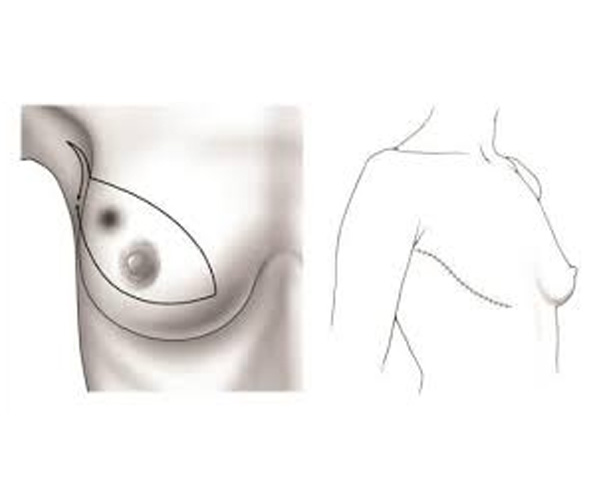
Also called a lumpectomy, it removes the cancer and a margin of healthy tissue while preserving the natural breast.
Mastectomy
The removal of the entire breast tissue, recommended when the tumour is too large or spread across multiple areas.
2. Does Mastectomy Offer Better Survival Than Breast Conservation Surgery?
A common concern is whether removing the entire breast is safer. However, the extent of surgery alone does not determine success.
- For early-stage cancer, BCS with radiotherapy offers equivalent long-term survival to mastectomy.
- Mastectomy reduces local recurrence risk but cannot eliminate distant recurrence.
- Decision depends on cancer biology and the feasibility of complete tumour removal.
3. How Does a Breast Surgeon Decide Which Surgery Is Right?
1. Tumour Size vs Breast Size
The ratio of tumour size to breast size is key. A 3 cm tumour in a large breast may be suitable for BCS, while in a small breast, it might affect the shape significantly.
2. Location and Distribution
Tumours near the nipple or spread across multiple areas may necessitate a mastectomy to ensure clear margins, though oncoplastic techniques can sometimes help. See more on breast cancer treatment options.
Surgeons evaluate the biopsy report, including ER/PR and HER2 status, to determine if the cancer is invasive or DCIS.
In some cases, neoadjuvant chemotherapy is used first to shrink the tumour, making breast conservation possible.
4. When Should You See a Doctor for Evaluation?
If you have been diagnosed or noticed changes, a multidisciplinary evaluation is essential.
Consult a specialist if you experience:
- A new lump or skin changes in the breast.
- Changes in the nipple or discharge, as detailed in breast cancer symptoms beyond a lump.
- A family history of breast cancer or known genetic variants (BRCA1/2).
The best approach is determined after a clinical exam and imaging. You can book an appointment or consult the best breast cancer surgeon in Thane.
5. What Is Oncoplastic Breast Surgery?
Oncoplastic surgery combines cancer removal with plastic surgery techniques to reshape the breast, avoiding a distorted appearance after tumour removal.
The priority is always cancer clearance; cosmetic preservation is the secondary goal. Learn more about oncoplastic techniques.
6. Breast Reconstruction Options
- Implant-Based: Using silicone implants to recreate the breast mound.
- Autologous Tissue: Using the patient's own tissue from the abdomen or back.
- Immediate vs Delayed: Performed either during the mastectomy or at a later stage.
7. How Do Doctors Evaluate the Best Option?
The surgical plan is based on a review of clinical examinations, mammography, and ultrasound.
History & Genetics
Reviewing family history and BRCA mutations to assess individual risk.
Clinical & Imaging
Combining physical exams with imaging to determine tumour margins.
MDT Discussion
A multidisciplinary team (MDT) coordinates the final surgical and radiotherapy plan.
8. Common Questions on Recurrence
No surgery can guarantee 100% that cancer will never return, but treatments reduce this risk.
Understanding Local Recurrence
Radiotherapy is critical after BCS to destroy microscopic cells. However, mastectomy does not always eliminate the need for radiation if the tumour was large or lymph nodes were involved.
9. Bottom Line / What to Remember
Breast cancer surgery is no longer just about removing a tumour; it is about balancing oncological safety with quality of life and breast appearance.
Final Thoughts
Do not assume that a diagnosis automatically means a mastectomy. Discuss the possibility of breast conservation and oncoplastic surgery with your team to find the most appropriate path for your health and well-being.