Think breast cancer always begins with a lump? Think again. Although a breast lump is a common sign of breast cancer, it is not the only symptom to watch for. Sometimes, breast cancer can cause subtle changes in the skin, nipple, breast shape or underarm area — even when you cannot feel a distinct lump.
The reassuring fact is that many breast changes have non-cancerous causes, such as hormonal fluctuations, infections or benign breast conditions. However, recognizing these breast cancer symptoms beyond a lump can help you seek medical evaluation without unnecessary delay, because new or unexplained changes should not be ignored.
This health awareness guide explains seven breast changes that deserve attention — from nipple changes and skin dimpling to unusual discharge, redness and swelling — along with when you should see a doctor and how to stay aware of your breast health.
7 Breast Cancer Symptoms Beyond a Lump
Breast cancer can announce itself in more ways than one. Here are seven changes in the breast, nipple or underarm area that warrant a medical evaluation — some of which are easy to miss if you only look for a lump.
1. Nipple Changes
A new rash, crusting, scaling or persistent sores on or around the nipple may need medical evaluation, especially if they do not heal or keep returning.
These changes can sometimes resemble eczema or another skin condition. However, persistent nipple changes should be assessed by a healthcare professional to identify the underlying cause.
What to watch for: new crusting, scaling, persistent irritation or sores on or around the nipple.
2. Unusual Nipple Discharge
Nipple discharge can occur for several reasons, but certain types deserve particular attention.
Spontaneous discharge, especially bloody or clear discharge from one nipple, should be evaluated by a doctor. Discharge that occurs without squeezing the nipple is particularly important to mention during your consultation.
Although unusual nipple discharge does not automatically mean breast cancer, it should not be dismissed — especially if it is new or persistent.
3. Skin Dimpling or Puckering
Have you noticed that your breast skin looks pulled inward, puckered or dimpled — a texture sometimes compared to the surface of an orange peel?
These changes can sometimes indicate an underlying breast problem, including breast cancer. They may occur when changes beneath the skin affect its normal appearance.
What to watch for: new indentations, puckering, pulling or an orange-peel-like skin texture. If you notice a new change in the appearance of your breast skin, arrange a medical assessment rather than waiting for a lump to appear.
4. Persistent Redness or Skin Thickening
Redness, unusual skin color changes, warmth or thickening of the breast skin may require medical attention, particularly when the changes persist or appear without an obvious explanation.
Some breast conditions, including infections and inflammatory breast cancer, can cause skin changes. These conditions cannot reliably be distinguished by appearance alone.
What to watch for: persistent redness, swelling, warmth, thickened skin or a sudden change in the texture of your breast. If redness or swelling develops quickly, particularly with warmth or other significant changes, seek prompt medical evaluation.
5. A Newly Inverted Nipple
Some people naturally have inverted nipples. However, if your nipple previously pointed outward and has recently started turning inward, it is important to get it examined.
A new change in nipple position can sometimes be associated with changes in the underlying breast tissue. Do not assume that a newly inverted nipple is simply a normal change — a breast specialist can assess it and determine whether further tests are needed.
What to watch for: a nipple that newly turns inward, changes direction or appears pulled into the breast.
6. A Change in Breast Shape or Size
It is normal for breasts to differ slightly in size and shape. Hormonal fluctuations can also cause temporary changes throughout the menstrual cycle.
However, a new or noticeable change in one breast deserves attention, particularly if it persists or occurs alongside skin or nipple changes. Knowing what is normal for your body can help you recognize unusual changes and discuss them with your doctor.
What to watch for: new asymmetry, distortion, changes in breast contour or an unexplained difference in the size or shape of one breast.
7. Persistent Swelling or Heaviness in the Breast or Armpit
Breast cancer does not always present as a clearly defined lump. Unexplained swelling or enlargement of part or all of a breast can sometimes occur without a distinct lump — see our guide to breast lump symptoms and evaluation for comparison.
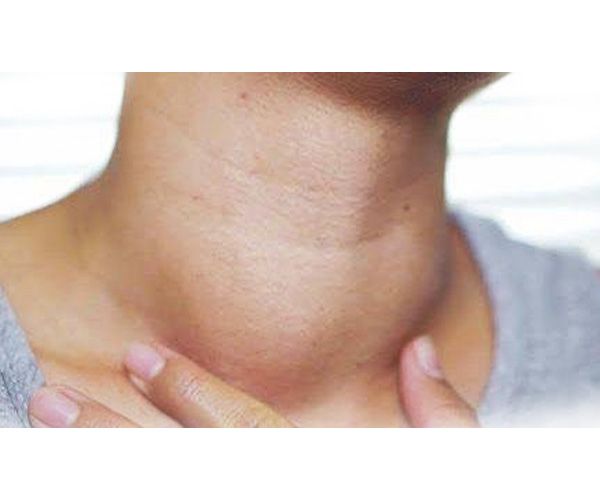
Swelling in the armpit or near the collarbone may also need evaluation because it can involve enlarged lymph nodes. These symptoms can have several causes, but a healthcare professional should evaluate any new or unexplained changes.
What to watch for: persistent swelling, unexplained breast enlargement, a feeling of heaviness or new swelling in the armpit — even if you cannot feel a breast lump.
Each of these seven changes can have a benign explanation — hormonal shifts, infections, cysts or other non-cancerous conditions. The distinction that matters is the pattern: changes that are new, persistent, one-sided or unexplained deserve a professional review, while features that have always been the same for you are usually less concerning.
A simple habit helps: note or photograph any change you notice, along with the time of your menstrual cycle. This gives your doctor genuinely useful information at the consultation.

When Should You See a Doctor?
Not every breast change means cancer. Hormonal fluctuations, infections, cysts and other benign breast conditions can cause changes in the breast or nipple. However, any new, unexplained or persistent breast change should be evaluated promptly rather than waiting for it to disappear on its own.
Arrange a medical assessment if you notice:
- A new lump or swelling in the breast or armpit.
- Persistent nipple rash, crusting or scaling.
- Spontaneous or bloody nipple discharge.
- New skin dimpling, puckering or thickening.
- A newly inverted nipple.
- An unexplained change in breast size or shape.
- Persistent redness, swelling or unusual skin changes.
If a change develops rapidly or is accompanied by significant redness, warmth or swelling, seek prompt medical attention.
A new breast change does not automatically mean breast cancer. Many changes have benign causes, but it is safer to have them assessed than to diagnose yourself. For a specialist opinion, consult a breast cancer surgeon in Thane or book an appointment.
Can Breast Cancer Develop Without Noticeable Symptoms?
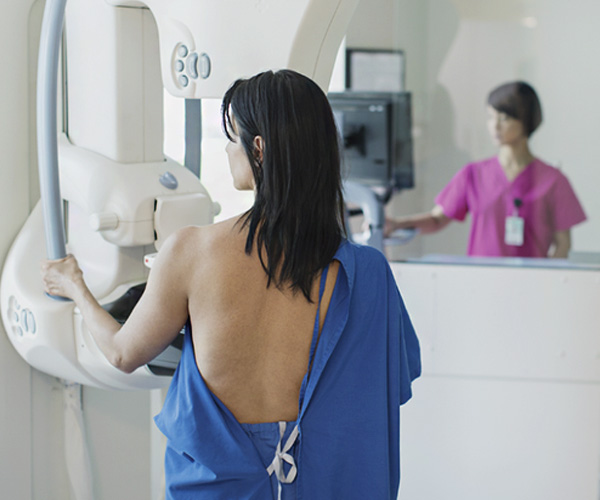
Yes. Breast cancer may sometimes be present before noticeable symptoms develop. This is one reason why appropriate breast cancer screening is important.
Screening recommendations depend on your age, personal risk factors, family history and local guidelines. A mammogram may detect certain breast changes before they can be felt, but screening does not identify every breast cancer.
Breast awareness and routine screening serve different purposes. Knowing what is normal for your body helps you recognize changes, while appropriate screening can help detect disease even when symptoms are absent.
Do not wait for your next screening appointment if you notice a new or concerning breast change. A symptom needs medical assessment even if your most recent mammogram was normal.
How Can You Stay Aware of Your Breast Health?
You can develop breast awareness by becoming familiar with the normal appearance and feel of your breasts. Pay attention to:
- Changes in the skin — dimpling, puckering, redness or thickening.
- Changes in the nipple — rash, crusting, a new inversion or unusual discharge.
- Changes in breast shape or size that are new for you.
- Swelling or lumps in the armpit or near the collarbone.
You do not need to follow a complicated routine or assume that every change is dangerous. The goal is to recognize what is new or unusual for you and seek advice when needed. Regular screening, when appropriate for your age and risk profile, is also an important part of breast health.
Bottom Line: Don't Ignore Breast Cancer Symptoms Beyond a Lump
Breast cancer symptoms can involve more than a lump. Changes in the nipple, skin dimpling, unusual discharge, persistent redness, a newly inverted nipple, changes in breast shape and unexplained swelling can all warrant medical evaluation.
These symptoms do not necessarily indicate cancer, but identifying their cause is important. Early assessment can help you receive the appropriate care and avoid unnecessary delays.
Final Thoughts
Remember: early detection can make a life-changing difference. Do not ignore a change, and do not delay a check-up.
If you have noticed an unusual breast change or are concerned about your breast health, consult a qualified breast specialist for an appropriate evaluation. Early assessment brings either reassurance or the right treatment — and both outcomes are better than waiting.