Breast cancer screening is an important part of early breast cancer detection. Screening aims to find breast cancer before a woman develops noticeable signs or symptoms, when the cancer may be smaller and potentially easier to treat.
But one of the most common questions women have is: at what age should breast cancer screening start, and which breast cancer screening tests actually matter?
The answer is not exactly the same for every woman. Your recommended screening plan can depend on your age, personal medical history, family history, breast cancer risk and whether you have any breast symptoms. For women at average risk, mammography is the main screening test used to detect breast cancer early.
What Is Breast Cancer Screening?
Breast cancer screening means checking for breast cancer in women who do not have signs or symptoms of the disease. The main purpose is to detect breast cancer at an early stage, before it becomes noticeable through symptoms such as a lump or other breast changes.
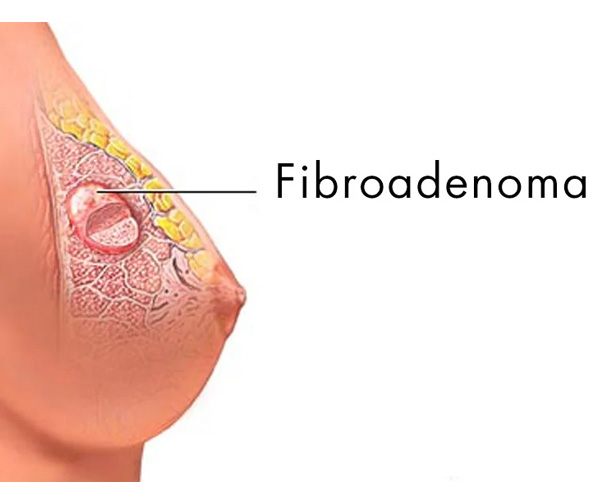
Screening is different from diagnostic testing. If you already have a breast lump, nipple discharge, nipple changes, skin changes, breast pain or another unusual breast symptom, you should not wait for your next routine screening appointment. Learn more about breast lump symptoms and evaluation — these symptoms may require diagnostic evaluation by a healthcare professional.
Routine screening is intended for people who do not currently have symptoms.
When Should Breast Cancer Screening Start?
There is no single screening schedule that applies to every woman. The appropriate age to begin depends on factors such as:
- Age.
- Personal history of breast cancer.
- Family history of breast or ovarian cancer.
- Known inherited genetic mutations such as BRCA1 or BRCA2.
- Previous radiation therapy to the chest at a young age.
- Other factors that may increase breast cancer risk.
For this reason, breast cancer screening recommendations should be discussed with a qualified healthcare professional.
Breast Cancer Screening for Women at Average Risk
For women at average risk, current guidelines generally support beginning routine mammography around age 40, although recommendations differ regarding exact frequency and schedule.
The U.S. Preventive Services Task Force currently recommends screening mammography every two years for women aged 40 through 74 who are at average risk.
The American Cancer Society uses a different schedule. It states that women aged 40 to 44 should have the option to start annual mammograms, recommends annual mammography for women aged 45 to 54, and recommends mammography every two years from age 55 onward, with the option to continue annually.
Your doctor can help determine the most appropriate schedule based on your individual risk factors, health history and preferences.
What If You Are at High Risk of Breast Cancer?
Some women have a significantly higher risk of developing breast cancer than the general population. Factors include:
- A known BRCA1 or BRCA2 gene mutation.
- A first-degree relative with a BRCA1 or BRCA2 mutation.
- A strong family history of breast or ovarian cancer.
- Radiation therapy to the chest before age 30.
- Certain inherited cancer syndromes.
- A calculated lifetime breast cancer risk of approximately 20% to 25% or greater.
For some women at high risk, the American Cancer Society recommends annual breast MRI in addition to annual mammography, typically beginning around age 30. The exact plan should be individualised by a healthcare professional.
What Tests Actually Matter for Breast Cancer Screening?
Different breast imaging tests have different purposes. Mammography, ultrasound and MRI are not interchangeable. The right test depends on age, symptoms, breast density, personal risk and the clinical situation.
Mammography
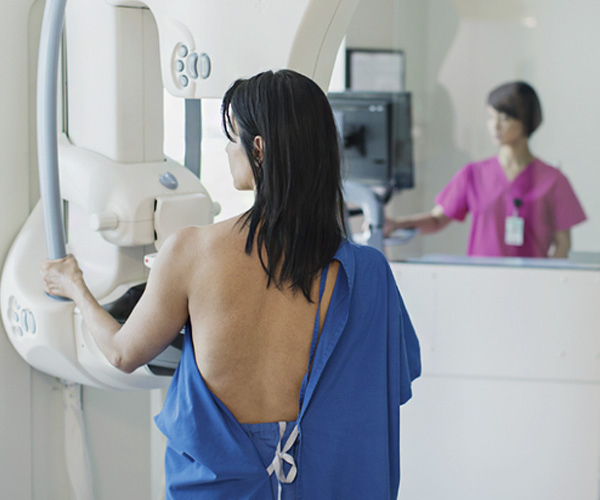
Mammography is the primary screening test for average-risk women. Low-dose X-rays can detect abnormalities before they can be felt. Both digital mammography and 3D mammography (tomosynthesis) are recognised screening modalities.
Breast Ultrasound
Sound-wave imaging for evaluating lumps, dense tissue or symptoms in younger women. Not a replacement for mammography in average-risk screening.
Breast MRI
Detailed imaging for high-risk women, generally in addition to mammography, or in selected diagnostic situations — not routine for everyone.
Mammography
Mammography is the primary breast cancer screening test for women at average risk. It uses low-dose X-rays to create images of the breast and can detect certain cancers before they are large enough to feel.
Mammography can help detect cancer earlier, but it has limitations. Some women may receive a false-positive result leading to additional imaging or biopsy that ultimately does not show cancer. An abnormal mammogram does not automatically mean cancer — additional evaluation may be needed.
Breast Ultrasound
Breast ultrasound uses sound waves to create images of breast tissue. It can be useful when evaluating a lump found on examination or mammogram, and can provide additional information in some women with dense tissue.
However, breast ultrasound is not generally a replacement for mammography as the primary screening test for average-risk women. Mammography and ultrasound provide different types of information and are sometimes used together.
Breast MRI
Breast MRI uses strong magnetic fields and radio waves to create detailed images. It is not routinely required for every woman. It may be recommended for significantly increased risk, including some BRCA1/BRCA2 carriers.
MRI is generally used in addition to mammography rather than instead of it — MRI can detect some cancers not seen on mammography, while mammography can also find some cancers MRI may miss. MRI should be used when there is an appropriate clinical reason.
What About Dense Breasts?
Breast density refers to the amount of fibrous and glandular tissue compared with fatty tissue. Dense tissue can make mammograms harder to interpret because both dense tissue and some cancers appear white.
However, dense breasts do not automatically mean every woman needs ultrasound or MRI. Benefits of additional screening after a negative mammogram are still under research. Discuss your individual risk with your doctor.
What About Breast Self-Examination?
Breast self-examination should not replace recommended screening. However, be familiar with how your breasts normally look and feel, and report new changes promptly:
- A new breast lump.
- A change in breast size or shape.
- New nipple inversion.
- Unusual nipple discharge, especially bloody discharge.
- Skin dimpling or texture changes.
- Persistent breast or nipple changes.
If you notice a new change, do not wait until your next routine screening appointment.
Screening vs Diagnostic Testing: What Is the Difference?
Screening is for people without symptoms. Diagnostic testing is for symptoms, abnormal screening results or other findings needing further evaluation.
For example, a woman without symptoms may undergo routine mammography. A woman with a new lump may need clinical examination and diagnostic imaging — see benign breast disease treatment and breast cancer care options for context.
Why Is Early Breast Cancer Detection Important?
Screening can help detect some cancers before symptoms appear. When detected earlier, treatment options and outcomes can differ from cancer that has already spread. Screening does not guarantee detection in every case — the goal is the right screening approach based on your individual risk, balancing benefits with false positives and additional testing.
When Should You Talk to a Breast Specialist?
Discuss screening with a healthcare professional if you:
- Are around or above the recommended age for routine screening.
- Have a strong family history of breast or ovarian cancer.
- Have a known BRCA1, BRCA2 or other inherited risk mutation.
- Had chest radiation at a young age.
- Have dense breasts and want to understand options.
- Have a new lump, discharge, nipple or skin change.
- Had a previous abnormal mammogram or ultrasound.
A specialist can assess your history and determine whether routine mammography or additional high-risk screening is needed. If you are in Thane, consult a breast cancer surgeon in Thane or book an appointment.
The Bottom Line
Breast cancer screening is not one-size-fits-all. For average risk, mammography is primary from around age 40. High-risk women may need earlier, intensive screening including MRI with mammography. Ultrasound and MRI have important roles but are not routine replacements for mammography.
Most importantly, new lumps, discharge, skin or nipple changes need prompt medical evaluation — not routine screening. Talk to a qualified professional about your personal risk and schedule.