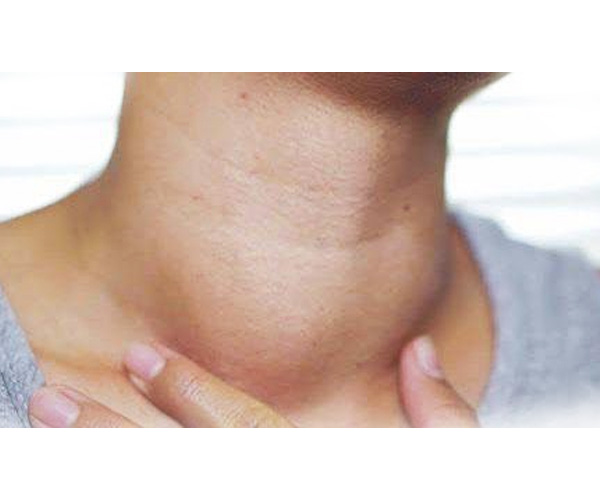
Finding a swelling or a lump in your breast can understandably be worrying. Many patients immediately think, “Is it cancer?”
The good news is that most breast lumps are not cancerous. However, every new or unusual breast lump deserves appropriate evaluation because some lumps can be associated with breast cancer.
The aim of breast lump evaluation is not to worry you—it is to identify which lumps are harmless and which ones need further investigation or treatment.
What Is a Breast Lump?
A breast lump is a swelling, thickened area, or mass in the breast that feels different from the normal surrounding breast tissue. It may be noticed during bathing, breast self-examination, or a clinical examination by a doctor.
Sometimes, it is not easy to distinguish a lump from naturally lumpy breast tissue in healthy menstruating women — especially in women with heavier breasts.
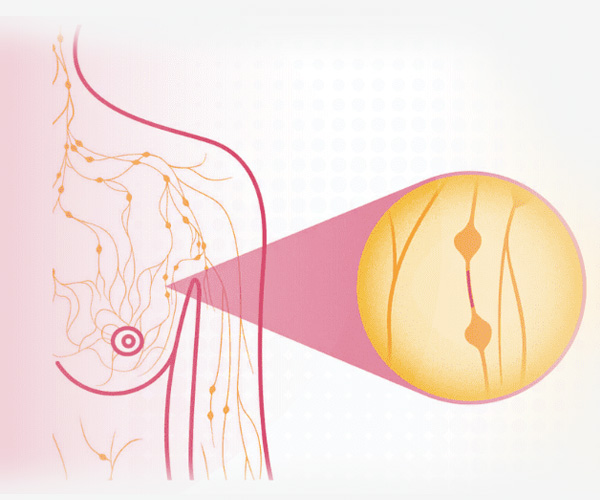
A lump can also occur in the underarm (axilla) as a swollen lymph node. A new or unusual lump in the breast should always be evaluated by a healthcare professional.
Symptoms and Changes to Look Out For
Consult a doctor if you notice any new or unusual change in the breast, such as:
- A new lump or swelling in the breast.
- A lump in the armpit (axilla).
- A lump that is persistent or increasing in size.
- A change in the size or shape of the breast.
- A change in the appearance or texture of the skin, such as dimpling, puckering, thickening, redness, or an area that appears pulled inward.
- A change in the nipple, such as new inversion or pulling inward.
- Unusual nipple discharge, particularly spontaneous or blood-stained discharge.
- Persistent or unusual breast pain, especially when associated with another breast change.
- A change in the breast that is different from what the patient normally experiences.
It is important to remember that these breast lump symptoms do not necessarily mean that the patient has breast cancer. They can also occur with benign breast conditions.
What Causes a Breast Lump?
There are several possible breast lump causes, and not all of them are related to cancer:
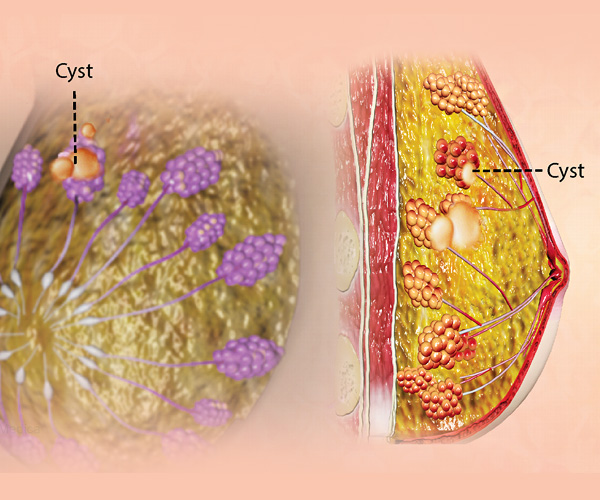
Breast cysts
Fluid-filled sacs within the breast tissue.
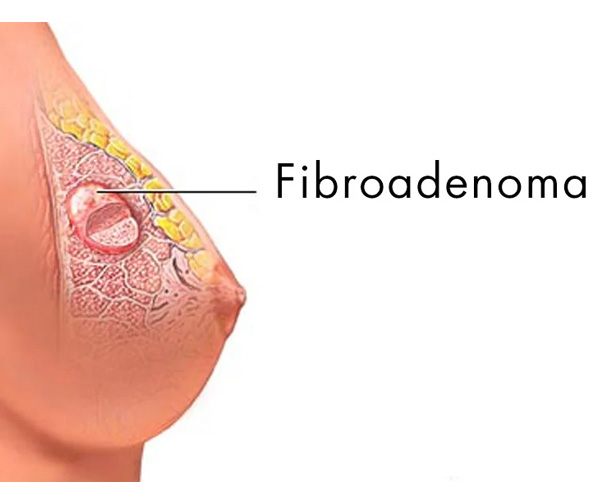
Fibroadenoma
A common benign breast growth that can present as a lump.

Fibrocystic changes
Hormonal changes making breasts feel lumpy, swollen or tender.
Breast infection
Mastitis or abscess can cause swelling, pain and a lump-like area.
Breast cancer
Some cancers present as a new lump or other breast change — which is why evaluation matters.
The exact cause cannot always be determined by how the lump feels alone. Examination, imaging or biopsy may be needed.
How Is a Breast Lump Evaluated?
Evaluation usually begins with a clinical examination, followed by imaging and biopsy when indicated.
Clinical Examination
The doctor examines the breast and underarm, assesses the lump, and reviews your history including family risk factors.
Breast Ultrasound
Sound-wave imaging helps determine whether a lump is fluid-filled (cyst) or solid — especially useful for palpable lumps.
Mammogram
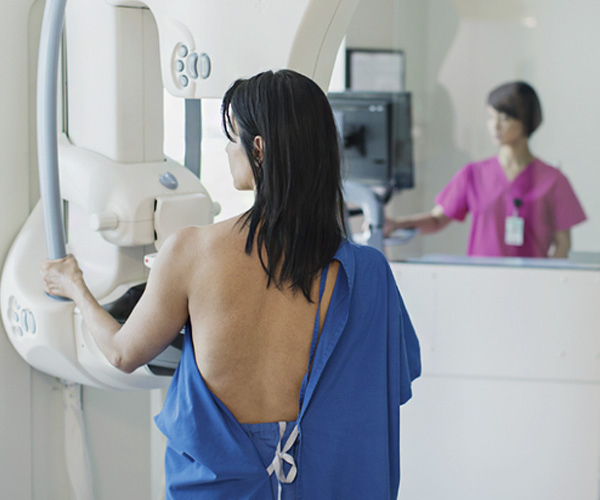
A diagnostic X-ray of the breast, recommended based on age, symptoms and clinical findings.
MRI When Required
Additional imaging in selected situations — not needed for every breast lump.
Biopsy
If findings are suspicious, a breast lump biopsy removes cells or tissue for laboratory analysis.
Benign vs Suspicious Features of a Breast Lump
Some characteristics of a breast lump may help doctors decide whether further investigation is required. However, a breast lump cannot be diagnosed as benign or cancerous based only on how it feels.
Features that may require closer evaluation include:
- A new or persistent lump.
- A lump that is increasing in size or changing.
- A firm or fixed lump.
- Skin dimpling, puckering or other unusual skin changes.
- A new change in the nipple.
- Unusual or blood-stained nipple discharge.
- A new or enlarging lump in the armpit.
- Suspicious findings on breast imaging.
Some breast cancers can be soft, round, tender or painful, while some benign lumps can feel firm. Therefore, physical characteristics alone cannot confirm or exclude breast cancer.
Does Every Breast Lump Need Surgery?
No. Not every breast lump requires surgery. The appropriate treatment depends on the cause of the lump, clinical findings, imaging results and, when necessary, biopsy results.
Depending on the situation, management may include:
- Observation and follow-up.
- Repeat clinical or imaging evaluation.
- Biopsy when indicated.
- Treatment of an underlying benign condition.
- Surgery when a lump is cancerous, causes significant symptoms, continues to grow, or requires removal based on clinical and diagnostic findings.
For example, some benign breast lumps can be monitored with follow-up examinations or imaging, while others may require treatment. Breast cancer requires treatment based on its type and stage. Learn more about benign breast disease treatment and breast cancer care, or consult a breast specialist in Thane.
The decision about observation, biopsy or surgery should be individualized rather than based on the presence of a lump alone.
Why Should You Not Ignore a Breast Lump?
A breast lump should not be ignored because, although many lumps are harmless, some may be an early sign of breast cancer. Breast cancer may initially present as a painless lump and may not cause any other obvious symptoms.
The breast is a superficial organ, which makes a breast lump accessible to clinical examination and imaging. Early evaluation can help identify the cause of a lump and, when cancer is present, allow appropriate treatment to begin sooner.
Early evaluation helps the doctor determine the cause of the breast lump. If the lump is found to be cancerous, early diagnosis may provide more treatment options and can improve outcomes.
Ignoring a lump or waiting for a long period to see whether it disappears can delay diagnosis and treatment if the underlying cause is serious.
A breast lump is a finding, not a diagnosis of cancer. Most lumps are benign — the goal is to identify which need treatment and which can be safely monitored.
When Should You See a Breast Specialist?
See a specialist promptly if you have any of the following:
- A newly detected breast lump.
- A lump that persists or increases in size.
- A new lump in the armpit.
- Unusual or blood-stained nipple discharge.
- New nipple inversion.
- Skin dimpling, puckering, thickening or other unusual breast skin changes.
- A change in breast size or shape.
- A family history or other factors that may increase your breast cancer risk.
- An abnormal breast imaging report.
- A biopsy result that requires further evaluation.
A new or unusual breast lump should be evaluated by a qualified healthcare professional rather than being diagnosed based on symptoms alone.
The Bottom Line
A new breast lump does not automatically mean breast cancer, but it should be properly evaluated.
A systematic assessment may include clinical examination, breast ultrasound, diagnostic mammography and biopsy when indicated. The appropriate evaluation depends on the patient's age, symptoms, clinical findings and imaging results.
The goal is not to investigate or operate on every breast lump unnecessarily. The goal is to identify lumps that require treatment while safely monitoring or managing benign conditions appropriately.
If you have recently noticed a new or unusual breast lump, consult a qualified healthcare professional and bring any previous breast imaging or medical reports with you.